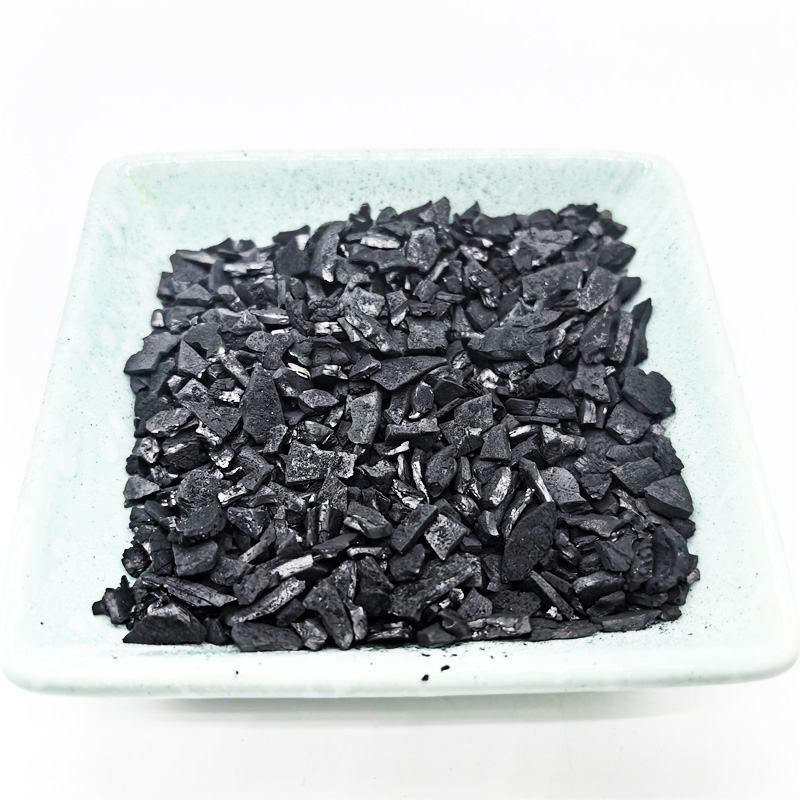

Coconut Shell Activated Carbon: A Premium Adsorbent for Modern Purification
Coconut Shell Activated Carbon: A Premium Adsorbent for Modern Purification
Coconut shell activated carbon (CSAC) is a high-performance porous carbon material derived from waste coconut shells, a renewable byproduct of the coconut industry. It stands out among coal‑based, wood‑based, and other activated carbons for its superior microporosity, high hardness, low ash content, and strong adsorption capacity, making it a top choice for high‑end purification and environmental treatment.
Production Process
The manufacturing of coconut shell activated carbon mainly includes two core steps: carbonization and activation. First, coconut shells are heated at 400–600°C in an oxygen‑free environment to remove volatile components and moisture, forming carbon‑rich char. Then, through high‑temperature steam activation (800–1000°C), the char develops an intricate network of micropores, greatly expanding its specific surface area—usually reaching 950–1200 m²/g. This controlled physical activation preserves the natural density of coconut shells, resulting in a durable, low‑dust carbon product.
Key Properties
Exceptional Microporosity: Dominated by micropores, it efficiently adsorbs small molecules such as volatile organic compounds (VOCs), residual chlorine, odors, and colorants.
High Mechanical Strength: High hardness and wear resistance reduce attrition loss in dynamic filtration systems, extending service life.
Low Ash & High Purity: Minimal inorganic impurities make it suitable for food, beverage, and drinking water applications.
Eco‑friendly & Renewable: Utilizes agricultural waste, lowers carbon footprint, and supports circular economy.
Main Applications
Water Purification
It is widely used in high‑end drinking water filters, bottled water production, and household water purifiers to remove residual chlorine, organic pollutants, odor, and discoloration, significantly improving taste and safety. It also serves in advanced wastewater treatment for industrial recycling.
Air Treatment
In air purification, it captures formaldehyde, benzene, TVOCs, and unpleasant odors, commonly used in home air cleaners, automotive filters, and industrial exhaust gas control systems.
Gold Recovery
Its strong adsorption and stability make it ideal for gold extraction from cyanide leaching solutions, boosting recovery efficiency in mining operations.
Food & Beverage Processing
Applied in decolorization and deodorization of sugar, edible oil, wine, and natural extracts, ensuring product clarity and purity while meeting food safety standards.
Other Uses
It also acts as a catalyst carrier, in pharmaceutical purification, and in skin‑care products for deep cleansing and oil control.
Conclusion
Coconut shell activated carbon combines natural sustainability with outstanding performance. As global demand for green purification materials rises, it continues to lead in water treatment, air quality control, food processing, and environmental remediation. Turning agricultural waste into a high‑value functional material, it represents a practical model of circular economy and eco‑friendly industrial development.